FAQs
What is agentic AI, and how is it different from traditional AI?
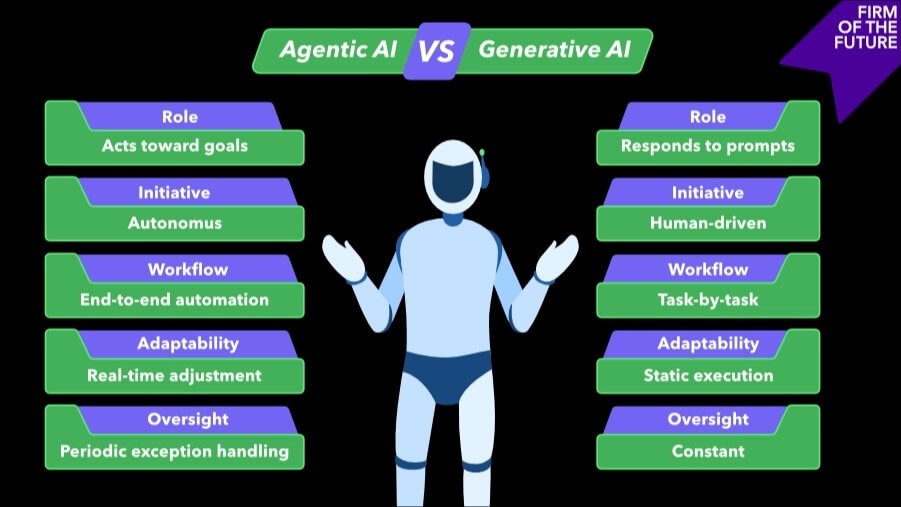
Agentic AI refers to artificial intelligence systems that can operate with a degree of autonomy, setting goals, making decisions, and taking action without constant human input. Unlike traditional or even generative AI, which requires prompts and mainly assists with content generation or analysis, agentic AI is proactive. It monitors its environment, adapts in real time, and executes workflows from start to finish.
Why does agentic AI matter for accounting professionals?
Agentic AI can take on entire accounting workflows, such as reconciliations, audits, or forecasting. This frees up accountants to focus on high-value, judgment-based tasks such as advising clients or shaping strategy. It allows firms to move faster, catch issues earlier, and deliver more personalized, insight-rich service without adding headcount at the same rate.
How is agentic AI used in accounting today?
Agentic AI is already being applied in areas such as continuous auditing, where it monitors transactions and flags issues in real time; financial forecasting, where it updates projections based on changing data; month-end close processes, where it automates routine tasks; and client service, where it handles standard queries and preps information for strategic conversations.
What are the main benefits of agentic AI for accounting firms?
It allows firms to operate more efficiently and accurately, scaling their services without adding headcount. By handling repetitive execution, agentic AI frees up accountants to spend more time on complex problem-solving and high-value client advisory work.
What challenges come with implementing agentic AI?
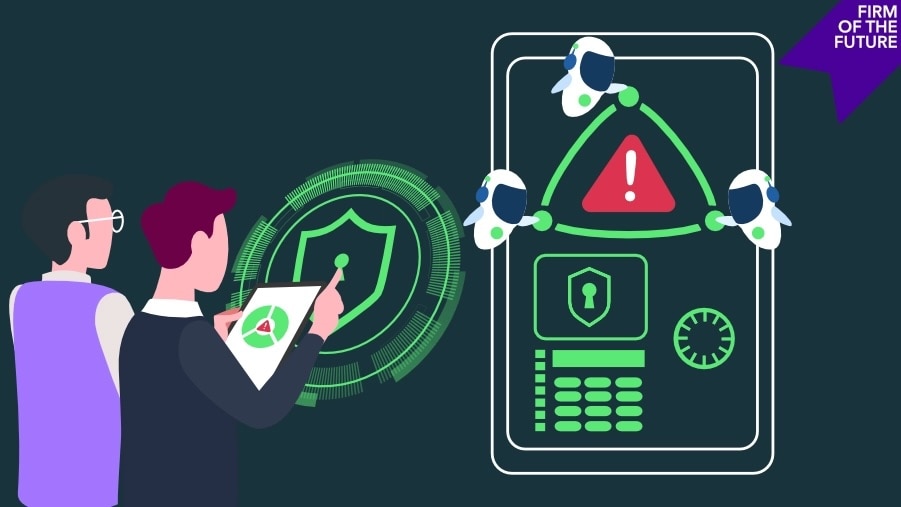
Adoption requires clean, well-integrated data systems, clear oversight structures to ensure accountability, and a cultural shift as teams adjust to working alongside autonomous tools that change how tasks are managed and decisions are made.
Will agentic AI replace accountants?
No. It will change their role, not eliminate it. Agentic AI handles the routine and the repeatable, allowing accountants to focus on what only humans can do: exercising judgment, building trust, and delivering nuanced advice in complex situations. Rather than replacement, it’s about amplification—extending the reach and impact of accounting professionals.