Best practices and advice from the experts
I had the pleasure of sitting down with Dawn Brolin and Jan Haugo to hear about their experiences and advice for ProAdvisors looking to explore compliance and forensic advisory services. Read on to learn more about how these services are offered and implemented in real life!
Q: Does your firm offer compliance advisory services as a bundle with other monthly offerings?
Jan Haugo: Yes, we offer sales and payroll tax compliance advisory services, along with additional advisory services for larger clients. The services are scoped out in our initial onboarding of the client, and then priced and bundled with our monthly fees.
Dawn Brolin: We don’t. All compliance advisory services are billed project-based or hourly, depending on the situation. If a need is uncovered during a regular monthly engagement, we will recommend services based on those findings.
Q: How do you explain compliance advisory services to your clients?
JH: Compliance advisory comes in many forms, and would include tax/regulatory advice, loan advisory compliance, and institutional needs, such as personal asset statements.
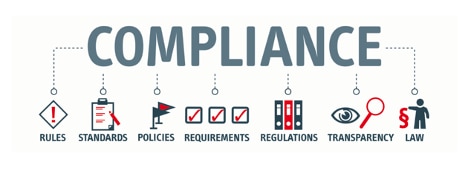
DB: We explain to our clients that compliance isn’t just making sure that you are compliant with filing tax returns, or compliant with paying your payroll taxes. That is important in the endgame, but having that confirmation that your data is accurate is what keeps you compliant. You have to make sure you’re not fraudulently recording an expense, or fraudulently understating your income in order to suppress the tax burden. Often, I’ll reference an existing case that I’ve seen to illustrate the importance of staying compliant. We also explain that we want internal controls in place and compliance when clients are thinking about succession planning. No company wants to buy a disorganized wreck! Without any internal controls or proper procedures, the value of the company goes down.
Q. How do you set client expectations/timeline for transformation for compliance advisory services?
JH: We provide a highlight and overview of potential compliance pitfalls. We work with the client to show the ability to meet those deadlines and the overarching impact on their business.
DB: We compile a list of areas that need to be addressed, and then sit down with the client and say, “Let’s look at the highest risk area of the items that I’ve identified. Anything immediate to high risk should be fixed in 30 days or less. The timeline goals are always based on the risk level to the organization. We also discuss the budget and quantify the results.
Q. How do you provide compliance advisory services to your clients? What does a typical engagement look like?
JH: A review of current compliance and workflow will highlight a lot of opportunities.
DB: I look at the high level first, then dig into the details.
Q. How do you promote compliance advisory services? How do you target your clients?
JH: Having a meeting to talk about the review of the books and the client needs offers the opportunity to question and deep dive into these potential areas of compliance.
DB: All of my clients are referrals. Fraud and resolution cases come in from colleagues from conferences and webinars. Most engagements are big ones!
Q. What have you learned throughout your experience and want to share with others?
JH: This can be a complicated regulation web, but manageable, and it’s important to get an understanding of it. Compliance advisory is more than filling out forms; it’s also knowing what information is required and when, as well as maintaining relationships in order to keep up with rules and regulations.
DB: It’s not hard to get started. Pick a client and use them as your test client. Go through their books and find out if they have documented their processes. If you want to take it a step further, subscribe to Eric Green’s program on Tax Representation. Also, know that you don’t have to be a CPA to become a CFE. Join the ACFE to learn more and start the training processes.