Why transitioning to advisory services is essential
Avoid the gross margin “slippage.” As automation takes over routine accounting tasks, clients begin to disvalue these services. They see less need to pay a premium for work they believe technology can handle for less. This shift leads to declining gross margins for firms that rely heavily on transactional services, creating a financial strain that’s difficult to overcome.
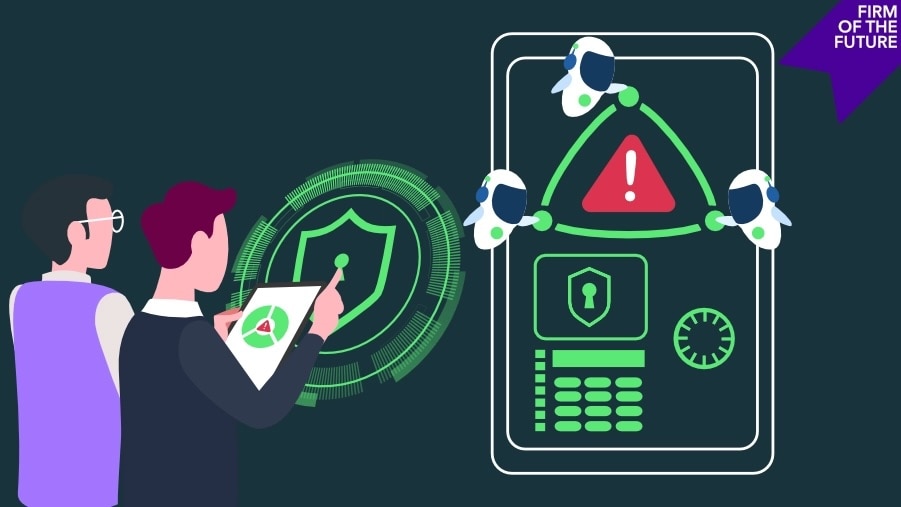
Worse still, automation is a double-edged sword. While it eliminates time-consuming tasks, it demands constant investments in new technologies and staff training. Keeping up with these advancements can be costly, especially when correlated with the human capacity required to train staff effectively.
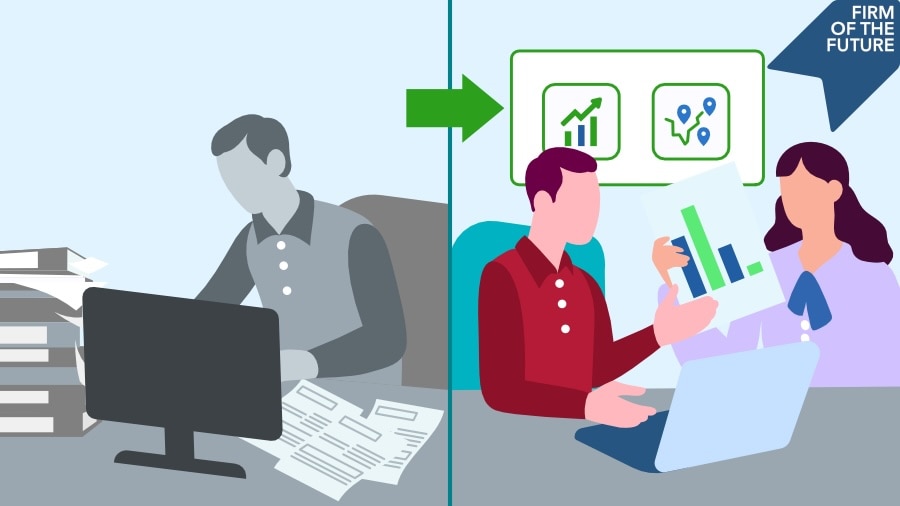
Retaining your position as the trusted business advisor. Perhaps the most critical risk is losing your role as your client’s go-to advisor. If your clients aren’t using your services for advisory, someone else is providing them with those services. The firm or individual providing advisory services naturally becomes your client’s new “Center of Influence,” guiding their financial and operational decisions.
Once this happens, your traditional services are no longer safe. The advisory firm can easily take over tasks such as bookkeeping and tax preparation, leaving you in the precarious position of being a backup provider. Staying in your client’s advisory seat ensures your influence, relevance, and long-term value.
If you’re planning your transition from compliance-focused work to a fee-generating advisory practice, it can help to understand what that shift could mean for your revenue. Use our CAS Revenue Calculator to estimate how much income your firm could generate from advisory services.